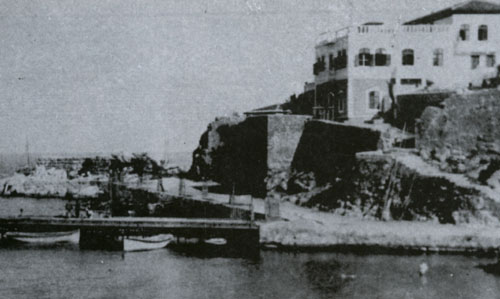
 ABOUT PHOENICIA
Phoenicia is located in the town of Phoenicia and it is situated in Teke Peninsula in the South Western Anatolia. This region was called “Lycia” in ancient times and when Phoenicia is first founded. Lycia then is surrounded with regions which are named Pamfilya in the east, Karya in the west, Psidya in the north. First Phoenicia is founded during 5th century with the name Phanikos by the Phoenicians in the place where Aykırıçay Water flows into sea. It served as a port by which Limyra capital of Lycia exported goods for long years. It became one of the most important trading centers of the Phoenicians. That the name Phoenicia was given by the Phoenicians is part of hearsay.Phoenicia was founded with the name PHOINIKOS at the edge of Arykandos during 5th century B.C. First place of establishment of Phoenicia (Phoinikos) which was an important port city during the antiquity is the “Pier Quarter”. It is also known that Acıçay which passes through the quarter, with high channel and flow but low speed, functioned as a port and the said place was named Pier Quarter since it is the place where loading and unloading are performed. Although it was interpreted by some people that it can be a city which may have been established by the Phoenicians due to its name, PHOINIKOS means “scarlet horse”, “scarlet herd of cattle”. This name which is harmony with the animal existence within the precincts points out that the settlement place is from Greeks. We also see that the remnants and findings verify this. If we mention remnants within Phoenicia, the first we will encounter are castle remnants to be dated back to the Hellenistic period, the lower part of which belongs to Roman Age, upper part of which to the Byzantine era. The tower which is opposite the Atatürk Park reflects these two ages. A few rock graves which are at north side of the precipice opposite the state hospital and belonging to the same time and the rock grave which is near the old prison are among the chief remnants which can be seen in center of Phoenicia. During the Young Byzantium Period, it is known that a settlement area is existent in Phoenicia, which is not very large. Some remnants which are exhibited in Cumhuriyet Park and the large building which is used a warehouse opposite to the Ziraat Bank constitute the remnants of Young Byzantium Period
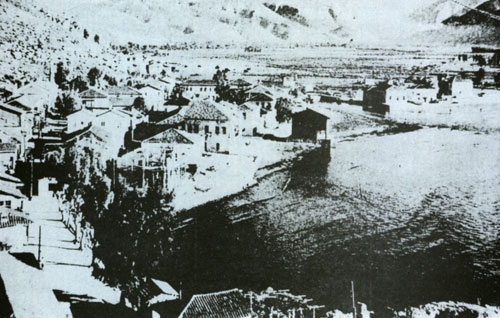 Finike M. Ö. 5. yüzyılda Arykandos ağzında PHOİNİKOS adıyla kurulmuştur. Antik
dönemde önemli bir liman kenti olan Finike'nin (Phoinikos) ilk kurulduğu yer,
"îskele Mahallesi'dir. Bu mahallenin içinden
geçen, kanal ve debisi yüksek, ancak hızı düşük bir dere olan Acıçay'ın liman
işlevi gördüğü, yük indirme ve bindirme işleminin yapıldığı yer olması nedeniyle
de adı geçen yere iskele Mahallesi denildiği bilinmektedir. İsmi nedeniyle
bazılarınca Fenikeliler'in kurmuş olabileceği bir kent şeklinde yorumlanmışsa
da; PHOİNİKOS Grekçe "kızıl renkli at" veya "kızıl renkli davar
sürüsü" anlamına gelmektedir. Yöredeki hayvan varlığı ile uyum içerisinde
olan bu isim, yerleşimin bir Grek kuruluşu olduğunu işaret etmektedir. Kalıntıların
ve buluntuların da bunu doğruladığı görüyoruz. Finike içindeki kalıntılardan
söz edecek olursak, karşımıza ilk çıkan Hellenistik döneme tarihlenecek,
Finike M. Ö. 5. yüzyılda Arykandos ağzında PHOİNİKOS adıyla kurulmuştur. Antik
dönemde önemli bir liman kenti olan Finike'nin (Phoinikos) ilk kurulduğu yer,
"îskele Mahallesi'dir. Bu mahallenin içinden
geçen, kanal ve debisi yüksek, ancak hızı düşük bir dere olan Acıçay'ın liman
işlevi gördüğü, yük indirme ve bindirme işleminin yapıldığı yer olması nedeniyle
de adı geçen yere iskele Mahallesi denildiği bilinmektedir. İsmi nedeniyle
bazılarınca Fenikeliler'in kurmuş olabileceği bir kent şeklinde yorumlanmışsa
da; PHOİNİKOS Grekçe "kızıl renkli at" veya "kızıl renkli davar
sürüsü" anlamına gelmektedir. Yöredeki hayvan varlığı ile uyum içerisinde
olan bu isim, yerleşimin bir Grek kuruluşu olduğunu işaret etmektedir. Kalıntıların
ve buluntuların da bunu doğruladığı görüyoruz. Finike içindeki kalıntılardan
söz edecek olursak, karşımıza ilk çıkan Hellenistik döneme tarihlenecek, 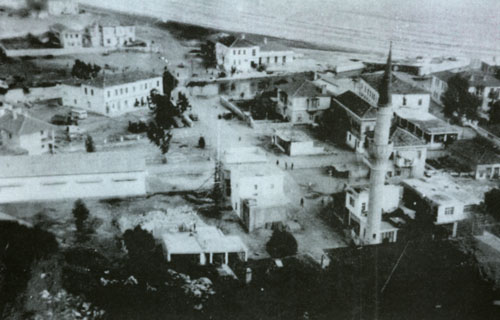 alt
kısmı Roma Çağı, üstü Bizans dönemine ait sur kalıntıları olmaktadır. Atatürk
Parkı karşısındaki kule bu iki dönemi yansıtmaktadır. Aynı döneme denk düşen
Devlet Hastanesi karşısındaki falezin kuzey kenarında birkaç kaya mezarı ile
eski hapishane yakınındaki kaya mezarı Finike merkezde görülebilen kalıntıların
başlıcalarıdır. Genç Bizans döneminde Finike'de fazla geniş olmayan bir yerleşimin
varlığı bilinmektedir. Cumhuriyet Parkı'nda sergilenen bazı kalıntılar ve
Ziraat Bankası karşısında depo olarak kullanılan büyük yapı Genç Bizans Dönemi
kalıntılarım oluşturur.
alt
kısmı Roma Çağı, üstü Bizans dönemine ait sur kalıntıları olmaktadır. Atatürk
Parkı karşısındaki kule bu iki dönemi yansıtmaktadır. Aynı döneme denk düşen
Devlet Hastanesi karşısındaki falezin kuzey kenarında birkaç kaya mezarı ile
eski hapishane yakınındaki kaya mezarı Finike merkezde görülebilen kalıntıların
başlıcalarıdır. Genç Bizans döneminde Finike'de fazla geniş olmayan bir yerleşimin
varlığı bilinmektedir. Cumhuriyet Parkı'nda sergilenen bazı kalıntılar ve
Ziraat Bankası karşısında depo olarak kullanılan büyük yapı Genç Bizans Dönemi
kalıntılarım oluşturur. Research about the identity of the Lycians
There is not an exact agreement among the historians as to what the name Lycia means and who the Lycians are and their origin. According to Heredotos who is a very important historian, Lycians are a community which migrated from Crete. According to Oktay Akşit who is one of our contemporary historians, Ancient East and Egypt presents us more important documents. The Lycians in these sources are called as Lukkas and they reside in Lycia since the middle of 2.000 BC with the most optimistic estimate. The most important findings with respect to the settlement of early Bronze Age were obtained from the excavations which are made in village named Semahöyük which is 11 km from Elmalı. Many excavations are made in town borders of Phoenicia and in its immediate vicinity and important remnants have been found from these excavations. Despite this, date of settlement in Phoenicia is not as old as that of Semahöyük. These remnants from the Lycia civilization are the oldest of the findings which were obtained from the archeological research conducted.
State of Lycia
Lycians is one of the strongest states of their period. They participated into overseas wars with their strong navy and they established strong alliance with neighboring countries. Strength of state of Lycia lasted until the 1st century B.C. The fact that settlement is seen in only one city in East of Lycia during the colonization period shows that Lycians maintained their strength within the 1st century B.C., too.
End of the Lycians
Lycians sometimes fought with the strong states of the period, Lycians which is one of the strongest states of that period could not invade Lycia. Lycians which lived strong and independent until the Persian invasion in 6th century B.C. were dominated by the Persians. Lycians is a rich state subsequent to the improvement of the East Mediterranean trade. This richness of them attracted the attention of Persians and Alexander the Great respectively to Lycia. Alexander the Great invaded Lycia in 330 B.C. without encountering an important resistance. Lycia then is again under Persian pressure. Lycians though that they would ward off the Persian pressure and become independent in a possibly shortest time without resisting the invasion of Alexander the Great. However this was not like they had calculated and after Alexander the Great seized Lycia, Lycians never once again gained their independence. Following the death of Alexander the Great, a complete chaotic age started in the region. Supervision weakened and Lycian territories came under rule of different peoples. States which reign in Syria, Egypt and Rhodes became dominant in Lycia for short times. Chaos in the region ended in the beginning of 2nd Century B.C. Perikles who is the Prince of Limyra of that time ensured the unity of the Lycians. Stability was damaged in the following years and the beaches again became a hotbed of pirates. Pompeyüs who came to Lycia with full authority in 67 B.C. cleaned the region out of the pirates. Emperor Caldius united Lycia and Pamfilya in 43 A.C., created a new state and changed its name with Lycia-Pamfilya. There were many supporters of early Christianity in the region and Myra (Demre) became the center of the Christianity. Until those periods, Lycians who did not lose their identity although they are not independent started to lose their national identity during the Hellenistic and Roman ages. And they are totally destroyed during the Byzantium reign period.
PHOENICIA DURING THE SELJUK AND OTTOMAN AGES
With the weakening of Byzantium, Arabic assaults were initiated in
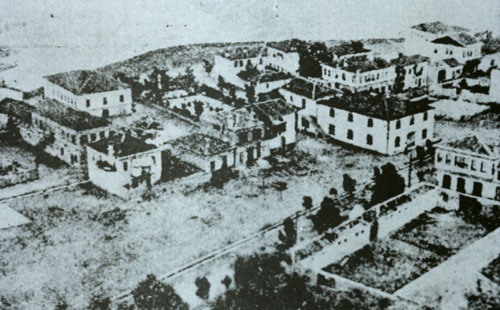 the region. And some regions sometimes were invaded by the Arabic people. 1071 Malazgirt Victory became the harbinger of the Turkish reign in the region and in a short time, Phoenicia and its precincts came under rule of the Seljuk Empire. Anatolian Seljuk reign was existent between 1207 and 1308 and Teke clan which came from Middle Asia was integrated in the region during this period. Our region after the destruction of the Anatolian Seljuk state was under the rule of Tekeoğulları Seigniory between 1308 and 1361. Subsequent to the Tekeoğulları Seigniory which was destroyed by the Ottoman in 1426, Ottoman started to rule over these precincts.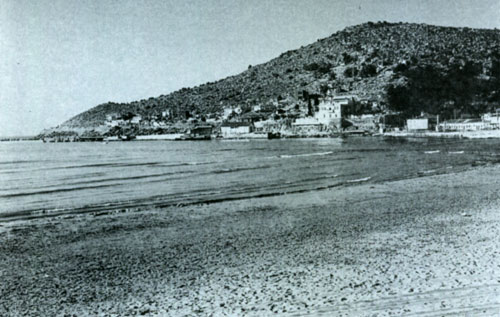
OTTOMAN PERIOD
Our region after the destruction of the Anatolian Seljuk state was under the rule of Tekeoğulları Seigniory between 1308 and 1361. Subsequent to the Tekeoğulları Seigniory which was destroyed by the Ottoman in 1426, Ottoman started to rule over these precincts.PHOENICIA TODAY
Phoenicia has an approximate population of 40 thousand with its 4 towns, 14 villages and the population of the county center is 11.000. 60 % of the county population dwells in counties and towns which are related to the centers and 40 % in the villages. Phoenicia which became a county in 1914 and a municipality in 1923 which represents the foundation of the Republic has gained a different social identity in the precincts due to its administrative position for long and with the influence of the public employees coming from different parts of the country. Thus the foreigners coming to Phoenicia describes this different situation like this: “Phoenicia looks like a city which was as if removed from the Mediterranean shores of Europe and integrated into our Mediterranean shores.. Clean and well-kept…Its people are open to innovations, kindly and hospitable”. There are Multi-Program High School, Girls Vocational School, Anatolian Tourism Vocational School and three basic education schools in the Phoenician county center where the literacy rate reaches 99 %. Phoenicia State Hospital assumed the responsibility of being the regional and general hospital. Thus it does not only serve its surrounding but also the counties of Kumluca, Kale, Kaş and Elmalı. Turkish Bath-Sauna facilities which were constructed by the Municipality of Phoenicia in 1993 provide service to both the local and foreign people. The building where the Ottoman and Seljuk architectural motifs were stylized with the modern style of the present day has the characteristics to make us experience the Turkish bath tradition. Would you like to be removed from dirt by the hands of the tellaks (attendants who massage and bathe the customers of a Turkish bath), lose weight in sauna by perspiring, steel your body in the shock pool? Then we suggest you to wash yourself in the historical atmosphere of the Phoenician Bath. Phoenician festival which makes the social and cultural life lively in Phoenicia still has maintained its existence from 1989 by becoming traditional and is celebrated during days connecting the end of the June to the July. Phoenicia Festival which was implemented with a view to ensuring that the local people dealing with agriculture experience the forgotten harvest-end festivals even for once a year and entertaining and resting our producers is en route to break its shell and become integrated with the society in both the culture and arts. Phoenicia which proceeds to be the center of culture, arts, sports, entertainment and rest tries to cope with the incomplete formation and infrastructure problems. Phoenicia Sports Club which dates back to quite old times ensures that the children and young people receive sports training by opening summer sports schools while contributing to the introduction of the county, and creates social mobility and excitement in the county by signing under various sports activities. Wresting matches which is repeated every year in May in order to enliven the Oiled Wrestling in the region, which is the traditional Turkish sport, is performed in Phoenicia like a holiday and it serves as a motivation source for the new generations to maintain this sport.
|
|